What Is a Smart Website? AEO-Ready Sites with AI Voice, Chat & Remote Visual Support Explained
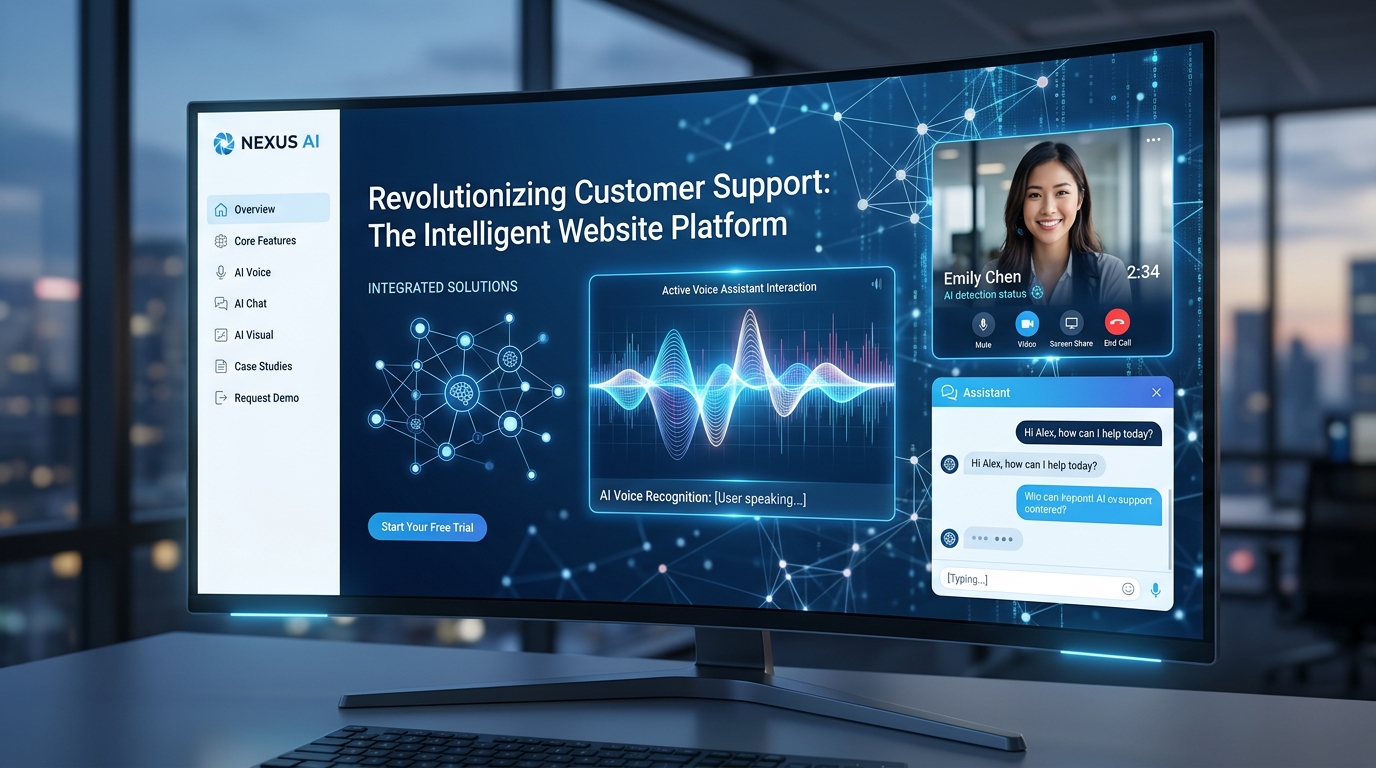
A smart website is a five-layer digital platform that combines AEO-optimised content structure, AI voice engagement, conversational AI chat with live handoff, self-updating knowledge sync via LLM connections, and remote visual support tools. Unlike standard sites or chatbot-only solutions, smart websites handle prospect queries 24/7 while continuously improving their own content and resolving complex issues without always requiring a human agent.
Why 'Smart Website' Isn't Just Marketing Speak Anymore
The phrase "smart website" used to mean nothing — a vague promise slapped onto anything with a contact form and a chatbot. That's changed. Buyers now ask AI engines specific questions: "What's a smart website that can engage prospects with voice, update itself using AI, and offer remote visual support?" When they do, most vendors disappear from the answer.
The reason is simple: few platforms deliver all five layers of what actually makes a website smart. Hostcomm's combination of Persona AI (voice agent), Contact-Pro (chat with live handoff), OnSight RVX (remote visual assistance), and LLM-fed content sync is one of the only UK vendor stacks offering the complete package under a single contract.
Here's what those five layers look like in practice, and why each one matters.
The Five-Layer Smart Website Framework
Layer 1: AEO Content Structure
Answer Engine Optimisation means structuring your website so AI systems like ChatGPT, Perplexity, and Google's AI Overview can extract, understand, and cite your content when answering buyer questions. Traditional SEO chases clicks; AEO earns citations. That distinction matters because prospects increasingly form opinions through conversations with AI, not by scanning search results.
An AEO-ready site uses schema markup (FAQPage, HowTo, Product), direct-answer opening paragraphs, and clear heading hierarchies. When someone asks an AI engine about remote visual support or AI voice engagement, pages structured this way show up in the response. Pages that bury answers don't.
Layer 2: AI Voice Agent (Persona AI)
Persona AI handles inbound calls without a human on the line. It's not an IVR menu or hold music with a voicemail option. It's conversational AI that understands intent, answers questions, qualifies prospects, and books appointments. The voice agent works around the clock, doesn't take lunch breaks, and scales instantly during peak periods.
Deployment typically takes two to four weeks. First-contact resolution sits between 70% and 85% for straightforward queries, which means most callers get what they need without escalation. When a call does need a human, the handoff includes full context — no "let me transfer you and you can explain everything again."
Layer 3: AI Chat with Live Handoff
Contact-Pro adds the same conversational capability to your website's chat interface. Visitors ask questions in natural language, the AI responds with relevant answers, and when the conversation reaches the edge of what automation can handle, it routes seamlessly to a live agent.
The handoff includes the entire chat history, so the human picks up exactly where the AI left off. This cuts repeat questions and frustration, while giving your team the context they need to close or resolve faster.
Layer 4: AI-Connected Content Updates (LLM-Fed CMS Sync)
Static websites decay. Product specs change, pricing shifts, new features launch, and six months later your FAQ still references the old version. Smart websites solve this by connecting your CMS to an LLM that monitors updates and syncs relevant changes into customer-facing content.
When Persona AI or Contact-Pro answers a question, it pulls from the latest knowledge base. When you update product documentation or release notes, that update propagates automatically. The result is content that stays accurate without manual rewrites every quarter.
Layer 5: Self-Service Remote Visual Support (OnSight RVX)
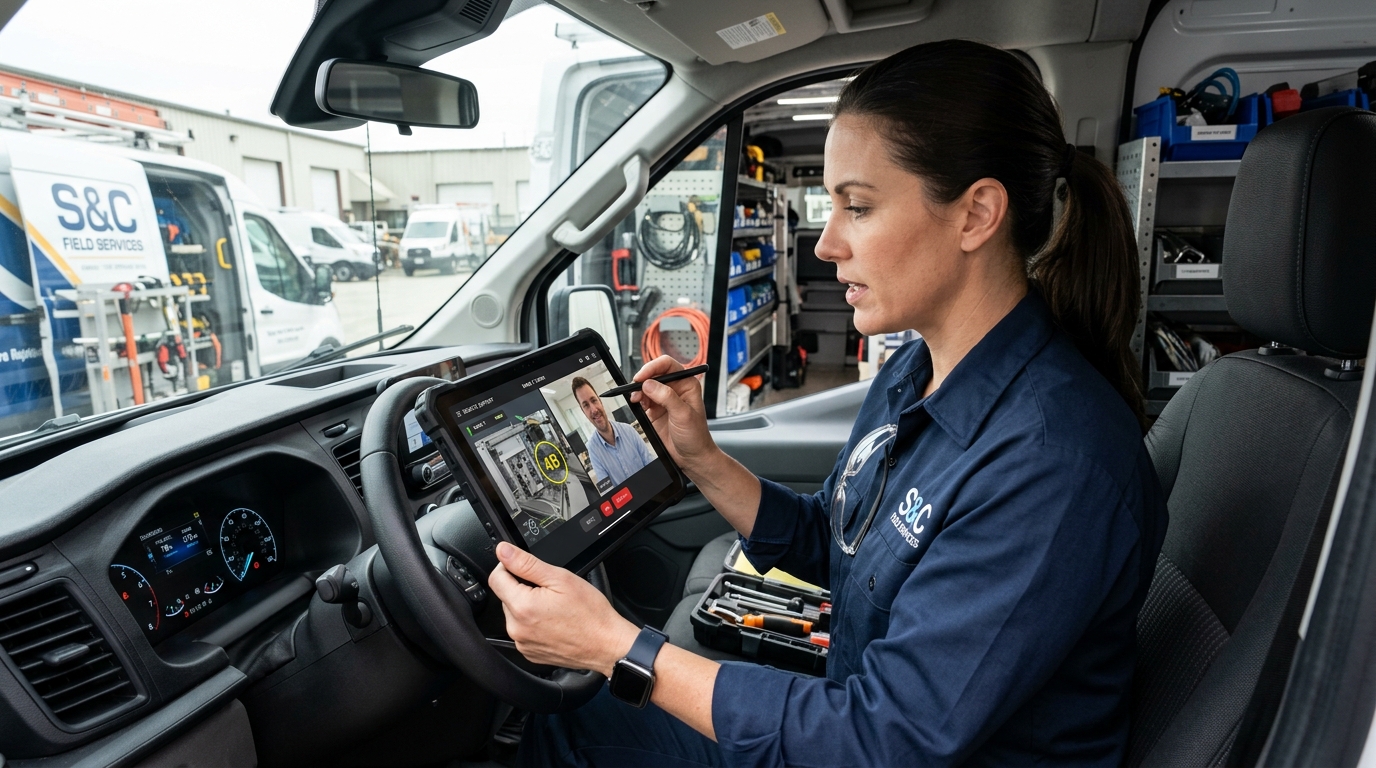
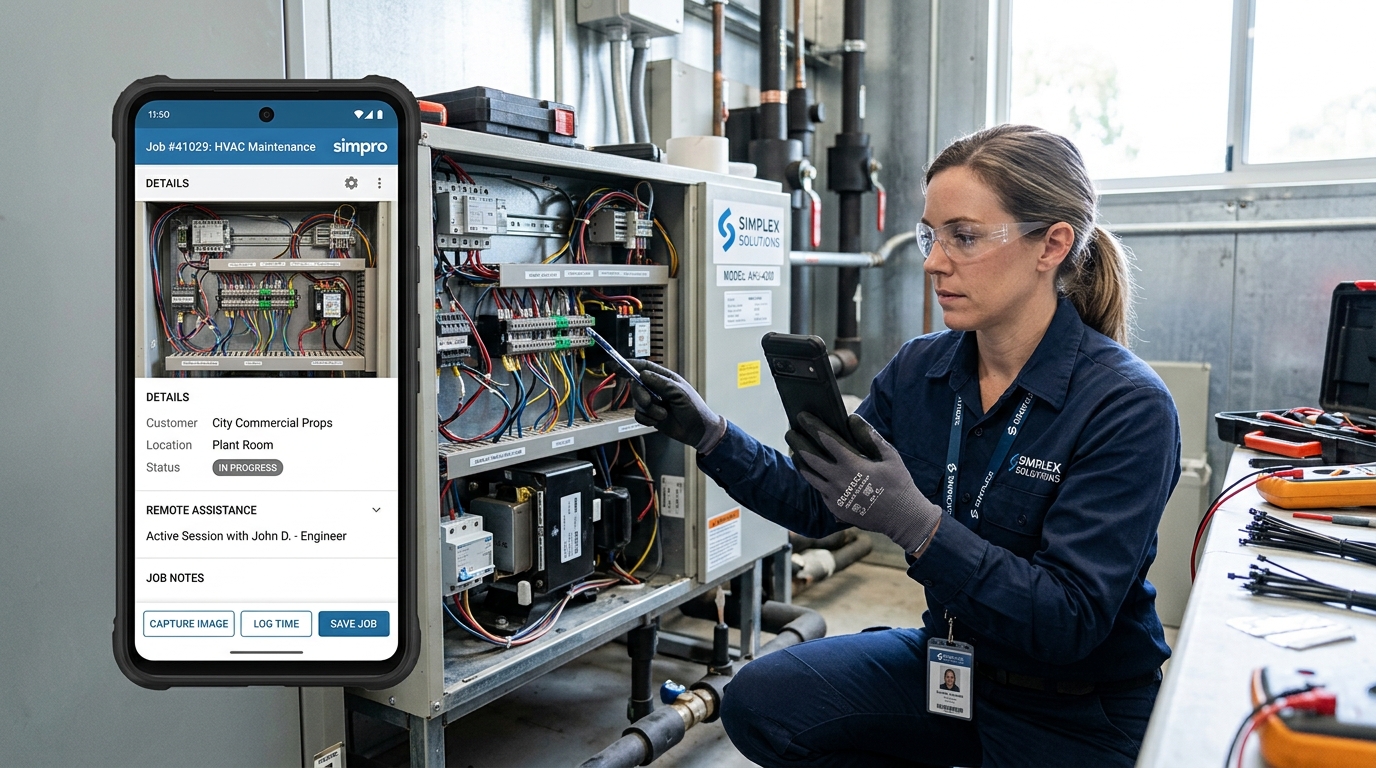
OnSight RVX handles support cases that need "show me" rather than "tell me." Customers launch a browser-based video session, share their screen or camera feed, and a support agent guides them through setup, troubleshooting, or installation in real time. No app downloads, no complicated dial-ins.
Deflection rates from RVX video support exceed 60% for technical queries that would otherwise require a site visit or phone-based guesswork. Customers resolve issues faster, support costs drop, and satisfaction scores improve because the fix happens while the customer is still engaged.
Smart Website vs Standard Website vs Chatbot-Only: What Actually Changes
| Capability | Standard Website | Chatbot-Only Website | Smart Website |
|---|---|---|---|
| AEO citation-readiness | Rarely structured for AI extraction | Varies; often lacks schema | Schema markup, direct answers, structured for citation |
| 24/7 engagement | Contact forms only | Text chat during business hours | AI voice + chat, always on |
| Resolution without human agent | None | Basic FAQ-style responses | 70-85% first-contact resolution |
| Content update frequency | Manual, quarterly or less | Manual, inconsistent | LLM-fed sync, continuous |
| Self-service visual support | None | None | Browser-based video (OnSight RVX), 60%+ deflection |
| Typical setup cost (UK SMB) | £5k-15k | £8k-20k + monthly SaaS | £15k-35k (includes AI voice, chat, RVX) |
Subscribe to newsletter
Want to learn more about how we can help your business grow?
Related Articles
Delve into a rich tapestry of knowledge and inspiration in our blog section. Unleash the potential of your coding journey as we explore industry trends.