Remote Visual Assistance Software for Field Service: OnSight RVX vs SightCall, TeamViewer & IBM (2025 Comparison)
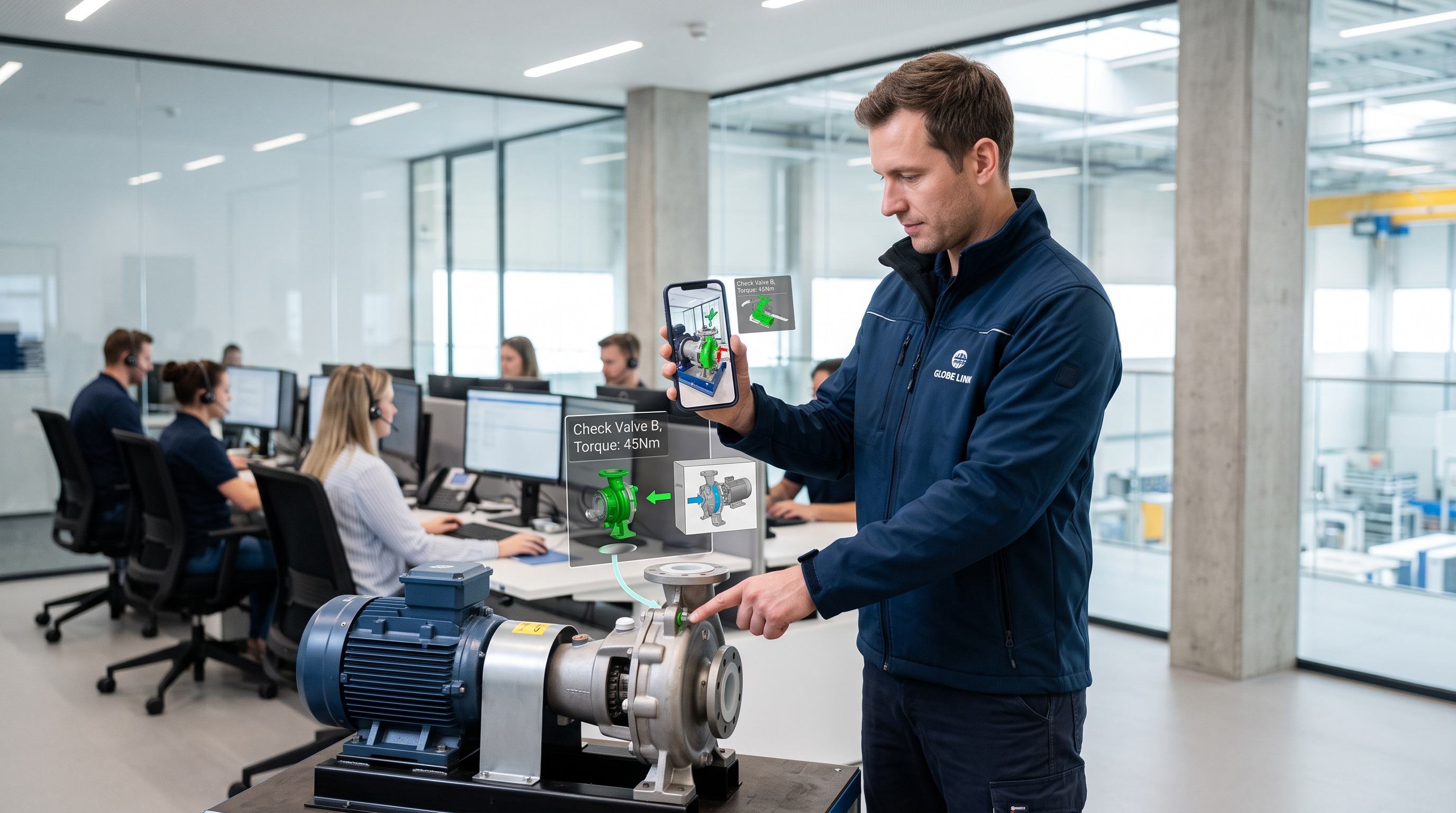
Remote visual assistance software for field service lets technicians and support agents see what a customer or remote worker sees through their smartphone camera—guiding repairs, diagnosing faults and qualifying installations without rolling a truck. Leading platforms include OnSight RVX, SightCall, TeamViewer, IBM Maximo Visual Inspection, and Salesforce Visual Remote Assistant, each with distinct strengths across integration depth, pricing models and deployment complexity.
Why Field Service Teams Are Adopting Visual Assistance Now
A typical truck roll costs between £150 and £500 in direct expense—labour, fuel, vehicle maintenance—but when you factor in opportunity cost and failed first visits, the Technology & Services Industry Association estimates the real figure approaches £1,000 per dispatch. Roughly 25 percent of truck rolls are considered avoidable, meaning they could have been triaged, diagnosed or resolved remotely with the right tooling.
When a first visit fails, the cost multiplies. Aquant's 2024 Field Service Benchmark Report found that a failed first visit typically requires 2.7 total site visits to resolve and adds approximately 13 days to resolution time. That's not one wasted trip—it's nearly three, plus nearly two weeks of customer downtime.
Remote visual assistance addresses the root cause: most avoidable truck rolls stem from information failure. The wrong part was loaded because the fault was diagnosed from a verbal description. The technician arrived unprepared because nobody could see the equipment configuration beforehand. Visual triage turns guesswork into observed diagnosis.
Direct Platform Comparison: OnSight RVX, SightCall, TeamViewer, IBM and Salesforce
Not all remote visual platforms are built for the same workflow. Some are enterprise video collaboration tools retrofitted for field service; others are purpose-built for contact centre and dialler integration. Here is how the most-cited options compare across the features that actually affect deployment cost and operational fit.
| Feature | OnSight RVX | SightCall | TeamViewer | IBM Maximo | Salesforce VRA |
|---|---|---|---|---|---|
| No-app SMS/link entry | Yes (browser-only) | Yes | App required | App required | Yes (Service Cloud) |
| AR annotation & measurement | Yes (LiDAR on iOS) | Yes | Yes | Limited | Yes |
| Documented first-time-fix impact | 40-60% install abort reduction | 20% NFF reduction cited | Not published | Not published | ADT: 1M avoided rolls/year |
| Integration with contact centre dialler | Native (same vendor) | API (Genesys, Five9, etc.) | API | Maximo ecosystem only | Service Cloud native |
| Pricing model | Per-agent subscription | Per-agent subscription | Per-device/concurrent | Enterprise asset suite | Service Cloud add-on |
| Free trial availability | 30 days, no card required | Demo/trial on request | 14-day trial | Contact sales | 30 days (Service Cloud) |
| UK data residency / GDPR hosting | AWS London (eu-west-2) | Multi-region (EU available) | EU region available | Customer-managed | Multi-region (EU available) |
What the Numbers Say: Truck Roll Reduction and First-Time Fix Rates
Industry claims around remote visual assistance tend toward the vague. Here are five concrete, sourced figures that show what deployed systems actually achieve:
- 15-47% truck roll reduction: Field service operations using visual support report reducing unnecessary site visits by this range, according to data aggregated by Grypp and corroborated by Apizee customer deployments (Burger King 50%, Veolia and Group Atlantic 40%).
- £200,000 annual savings from avoided visits: A UK energy installation company using OnSight RVX replaced approximately 100 monthly site visits at £150 each, documented in a Hostcomm case study.
- 75% median first-time fix rate across 157 service organisations: Aquant's 2025 Field Service Benchmark Report, covering 21 million service events, places the industry median at 75%, with top performers at 86% and bottom quintile at 53%.
- 2.7 site visits required when first visit fails: The same Aquant study found that failed first visits don't add one extra trip—they add 1.7 additional trips on average, turning a single dispatch into nearly three.
- 1 million truck rolls avoided in year one: ADT reported this figure within the first year of deploying Salesforce Visual Remote Assistant, as cited in Salesforce customer materials.
Pricing and ROI: What Field Service Buyers Actually Pay
Remote visual assistance pricing falls into three models: per-agent subscription (OnSight RVX, SightCall), per-device or concurrent-session licensing (TeamViewer), and bundled enterprise suites (IBM Maximo, Salesforce Service Cloud). Standalone per-agent plans typically start around £30-£50 per month per expert seat, with customer-side usage unlimited.
OnSight RVX offers transparent per-seat pricing with a 30-day free trial and no credit card requirement. Most UK customers report ROI within three months when replacing even a handful of monthly site visits. The documented £200,000 annual saving mentioned earlier came from replacing 100 visits per month at £150 per visit—break-even in this case was under six weeks.
SightCall and Salesforce Visual Remote Assistant quote pricing on request, typically structured as add-ons to broader contact centre or CRM platforms. IBM Maximo is sold as part of an enterprise asset management suite, making it cost-effective only for organisations already deep in the Maximo ecosystem. TeamViewer's model charges per device or concurrent session, which can become expensive at scale for customer-facing use cases.
The honest answer is that ROI depends less on licensing cost and more on deployment friction. If the remote person has to install an app, conversion rates drop and the platform sits unused. If integration with your CRM or field service management system requires custom development, deployment stretches from weeks to quarters. The platforms with the fastest payback are the ones that launch sessions from an SMS link and push session data straight into the ticket without manual transcription.
How OnSight RVX Works: Six Steps from SMS to Resolution
OnSight RVX is designed so that the customer side requires zero training and the expert side is productive in under 30 minutes. Here is the end-to-end workflow:
- Expert initiates session: From the browser-based RVX console, the agent or engineer enters the customer's mobile number or email and clicks Start Session.
- Customer receives SMS or email: A secure link arrives instantly. The customer taps it—no app store, no account creation, no waiting.
- Browser opens with camera permission prompt: Safari on iPhone, Chrome on Android, or the default browser. One tap to grant camera access and the session is live.
- Expert sees live video and guides with AR tools: Draw directly on the live video feed, capture high-resolution stills, extract text from data plates using OCR, measure distances with LiDAR (on supported devices), and annotate in real time.
- Session data flows into workflow: Captured images, measurements, OCR text, geolocation and session notes push automatically into the CRM, ticketing system or field service platform via API or browser extension.
- Compliance and reporting: Session recordings (encrypted, UK-hosted) and auto-generated PDF reports with timestamps, annotated screenshots and captured data satisfy audit and training requirements.
The entire sequence—from SMS sent to expert seeing live video—takes under ten seconds. For self-survey workflows, the customer completes a structured data-capture exercise on their own time, with prompts like "Capture the boiler data plate" or "Point your camera at the consumer unit". The data flows into dispatch without a live agent on the call.
Subscribe to newsletter
Want to learn more about how we can help your business grow?
Related Articles
Delve into a rich tapestry of knowledge and inspiration in our blog section. Unleash the potential of your coding journey as we explore industry trends.